
Transport strategies continue to shift as companies face rising costs, tighter delivery schedules and demands for more sustainable operations. Many organisations now explore options that give them greater control over freight costs, vehicle space utilisation, and environmental footprint. Part load transport stands out as one of the most adaptable choices for shippers wanting to refine their approach to logistics. By combining shipments, companies can make better use of vehicle space, control costs, and maintain reliable delivery schedules.
In this blog post, we’re going to break down how part load transport works, its operational benefits, and why it’s becoming a preferred choice for modern supply chains.
What is Part Load Transport?
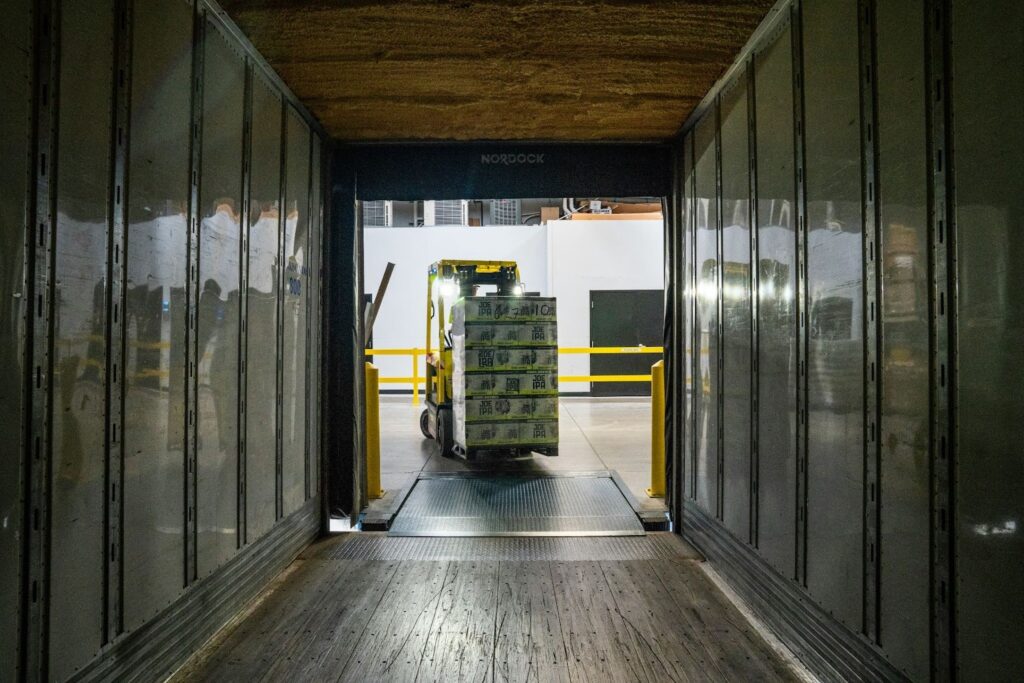
Part load transport gives businesses the chance to move freight without committing to an entire vehicle. Instead of filling a full trailer, loads are combined with shipments from other companies that travel in a similar direction. This method appeals to firms looking for precision, cost efficiency, and reliable delivery schedules.
Pagal Tarptautinis Transporto Forumas, improving vehicle utilisation through load consolidation can significantly cut fuel usage and emissions, while enhancing logistical efficiency.
What Part Load Transport Involves and Its Benefits
A carrier receives cargo that occupies only a section of the available space. Additional consignments fill the rest of the vehicle, which improves utilisation and reduces waste. This model can create significant advantages for consignors, including:
- Reduced transport expenditure
- Improved planning flexibility
- More organised vehicle usage
- Lower environmental impact through shared capacity
- Access to frequent departures without the need to reach full-vehicle volumes
Companies with varied order cycles benefit the most. Seasonal peaks, inconsistent order sizes and long-distance distribution routes become easier to handle when part load transport is integrated into a broader logistics plan.
Flexible Part Load Solutions
Part load arrangements give customers room to adapt their shipping activity to match business needs at any moment. Smaller consignments reach their destination efficiently, which keeps inventory levels under control and helps avoid unnecessary storage costs.
Many firms prefer this model for several reasons. It supports leaner operations, steadier cash flow and calmer warehouse management. Large batches can often create delays, especially when production teams work against tight deadlines. Smaller, divided shipments reduce the pressure on teams and streamline internal workflows.
Typical advantages of flexible part load solutions include:
- Opportunity to dispatch goods as soon as they are ready
- Less idle time spent waiting for volume to build
- A steadier supply chain with fewer peaks and troughs
- Greater responsiveness to customer demand
- Better alignment with modern inventory strategies
The approach suits industries such as manufacturing, retail, engineering and e-commerce. Goods can move steadily across the network, and companies avoid the costs linked with oversized consignments. Such flexibility supports businesses seeking an effective balance between transit speed, cost control, and reliability.
Supporting Agile Commercial Operations
Speed matters in transport, but so does precision. Part load transport supports organisations that handle frequent product updates, runs of varying lengths or short production cycles. Instead of holding items in storage or rushing to hit full-load volumes, firms release goods at the pace that suits their operations. This leads to more predictable outbound schedules and calmer internal planning.
Some companies blend part load transport with full-load options, depending on seasonal patterns. The ability to switch between models retains operational stability throughout the year. It also avoids the complications linked to holding unnecessary stock, which can strain budgets.
Impact on Sustainability Goals
Transport networks continue to explore ways to reduce emissions. On LinkedIn, logistics professionals note that consolidating shipments can cut CO₂ emissions dramatically — one atvejo tyrimas reported: ‘a consolidated truck reduced fuel consumption by 28% and CO₂ emissions by 34%.’ For businesses with sustainability targets, part load transport supports progress without changing product design, packaging strategy or delivery zones. The environmental gain results from smarter use of vehicles rather than major structural change.
Reliable Handling and Delivery
Security, careful handling and accurate delivery timings matter as much to smaller loads as they do to full vehicles. A trusted part load transport service ensures each consignment receives the attention it requires throughout the journey.
Standards for Safe Movement of Goods
Freight handlers work to strict procedures that protect items from the moment they leave the warehouse. Secure loading, verified documentation and specialist equipment create a stable environment for goods of various shapes and sizes.
Key elements of reliable part load operations include:
- Structured loading plans that prevent movement during transit
- Digital systems that track consignments across the network
- Trained teams responsible for handling delicate or bulky items
- Clear communication at each stage of the journey
- Documented proof of delivery for full visibility
These practices strengthen trust and reduce the risk of damage or delay. Even when shipments share vehicle space, the treatment of each consignment follows the same professional standards used for full loads.
Importance of Tracking and Visibility
Accurate tracking supports decision-making in purchasing, sales, customer service and inventory management. Visibility tools give shippers live updates throughout the route, which helps staff stay informed and plan with more confidence.
Tracking systems typically offer:
- Real-time status updates
- Estimated arrival windows
- Alerts for unexpected delays
- Confirmation once delivery is complete
Reliable information ensures that onward processes run smoothly. Production teams can prepare for incoming components, warehouses can organise staff, and customers can schedule their own activities. Timely data reduces the need for manual communication and strengthens overall supply chain performance.
Managing Delivery Precision
Part load transport must operate to tight schedules. Coordinated planning ensures vehicles follow the most efficient routes while still meeting promised delivery windows. Carriers often work with sophisticated routing software that blends geography, traffic patterns and delivery priorities. This kind of planning ensures cargo reaches its destination in a dependable, controlled manner.
Delivery success in part load transport comes down to:
- Coordinated route planning
- Realistic schedules based on live network conditions
- Experienced drivers with route familiarity
- Processes that connect multiple shipments without creating bottlenecks
The combination of careful handling, strong communication and organised routing results in a smooth service that businesses can depend on repeatedly.
How Part Load Transport Benefits Modern Supply Chains
Companies want clarity, predictable costs and room to adapt. Part load transport addresses these aims in a practical, grounded way. It supports firms with fluctuating order sizes, unpredictable cycles or diverse customer bases spread across multiple regions.
The approach reduces unnecessary spending, shortens lead times and minimises waste in the transport network. Consolidation isn’t just theoretical. According to Seagate Logistika, pooled freight can reduce costs by up to 30% while also lowering handling and administrative burdens. Businesses that utilise part load transport often report steadier operations and better control over outbound and inbound logistics. Combined with modern digital tools, the model provides a balanced mix of speed and economy.
Practical benefits include:
- Ability to fine-tune shipping frequency
- Smaller financial outlay per dispatch
- Better inventory turnover
- Stronger alignment with production schedules
- Reduced risk of overstocking or understocking
- Improved environmental footprint through shared capacity utilisation
Every shipment follows a structured process that protects the goods and provides transparency. This makes part load transport a dependable option for firms wanting accuracy without unnecessary expense.

Final Thoughts
Part load transport continues to evolve as supply chains demand greater efficiency and resilience. The method helps businesses maintain control, streamline operations and achieve steadier delivery performance. It supports both cost management and environmental goals, which makes it highly relevant in an era of rising expectations and global uncertainty. RIX Freight recognises the value this model brings to shippers and continues to observe its expanding role across the logistics landscape.
Ready to Experience Logistics with Clarity and Confidence?
Contact RIX Freight today to request a quote or discuss how our transparent, accountable approach can support your business needs.
 Lithuanian
  English
  Norwegian
  Finnish
  Swedish
  Spanish
  Italian
  Latvian
  German
  Estonian
  French
  Ukrainian
  Russian
  Polish